
Microneedling Melbourne


Face by Alex Pike provides professional SkinPen microneedling at our Melbourne clinic in Toorak. Also known as skin needling, this minimally invasive procedure creates controlled microchannels in the skin and may be considered for suitable adults concerned about the appearance of facial acne scars or neck wrinkles.
Every microneedling treatment begins with an individual consultation. Your practitioner will assess your skin, medical history, medications and previous procedures before advising whether SkinPen is appropriate.
Book your appointment to start your skin journey with experienced, professional guidance.
What Is SkinPen Microneedling?
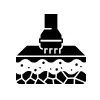
SkinPen is an electronic microneedling device used by trained practitioners in a professional setting. The handpiece contains a sterile, single-use cartridge with fine needles that move rapidly to create controlled microchannels at a depth selected for the individual and treatment area.
This controlled process initiates the skin’s natural wound-healing response. Over time, this response may support tissue and collagen remodelling.
SkinPen does not use heat to create the microchannels. However, the absence of heat does not mean that the procedure is risk-free or appropriate for everyone. Individual assessment, appropriate treatment depth, infection-control procedures and aftercare are all important.
Is Skin Needling the Same as Microneedling?
Microneedling and skin needling are commonly used to describe the same general type of procedure. SkinPen microneedling refers specifically to a skin needling treatment performed using the SkinPen device and its compatible sterile cartridge.
The terms do not describe one universal treatment. Needle depth, treatment area, number of passes and recommended course can vary according to the client’s skin, concern and assessed suitability.
At Face by Alex Pike, treatment settings are selected by a trained practitioner rather than following an identical protocol for every client.
Collagen Induction Therapy Explained
Microneedling is sometimes called collagen induction therapy because the controlled microchannels initiate a natural repair response within the skin. This response includes stages of inflammation, proliferation and remodelling.
The term does not mean that a particular amount of collagen will be produced or that treatment will reverse skin ageing. Biological responses differ between individuals and can be influenced by age, health, medications, skin condition, sun exposure and aftercare.
Where improvement occurs, it generally develops progressively rather than immediately. Your practitioner will explain what may reasonably be expected based on your individual circumstances.
What Concerns May SkinPen Address?

The Appearance of Facial Acne Scars
SkinPen may help improve the appearance of facial acne scars in suitable adults. It is generally considered after active breakouts are under control, as treatment should not be performed over open, infected or significantly inflamed skin.
Not all acne scars respond in the same way. The type, depth and age of the scarring can affect whether microneedling is appropriate and what degree of improvement may be possible.
Clients with active, severe or persistent acne may be advised to seek assessment from a medical practitioner or dermatologist before cosmetic skin treatment.
The Appearance of Neck Wrinkles
SkinPen may also be considered for selected clients concerned about the appearance of neck wrinkles. Skin type, skin thickness, medical history and relevant contraindications must be assessed before treatment.
Your practitioner will discuss whether SkinPen is appropriate for your neck and explain the expected recovery, limitations and alternative options.
What Happens During a SkinPen Treatment?
Your appointment begins with cleansing and assessment of the treatment area. Where appropriate, a topical anaesthetic may be considered to help manage discomfort. Any anaesthetic is used according to individual suitability and professional requirements.
A sterile, single-use SkinPen cartridge is opened for the procedure. The practitioner selects an appropriate depth and moves the device systematically across the treatment area.
Treatment can produce a vibration, scratching sensation or discomfort. The intensity varies according to the area, depth and individual sensitivity.
After the procedure, your skin will usually appear red and may feel warm, tight or tender. You will receive aftercare instructions explaining how to cleanse, protect and care for the treated area during recovery.
Recovery and Possible Side Effects
Recovery varies between individuals. Temporary treatment responses can include:
- Redness and swelling
- Warmth, tenderness or discomfort
- Dryness and tightness
- Itching or tingling
- Peeling or flaking
- Minor bruising
- Crusting or scabbing
- Temporary darkening of skin pigment
Less common complications may include infection, persistent pigment changes, prolonged inflammation or scarring. Contact the clinic if you experience an unexpected or worsening reaction.
You may be advised to avoid direct sun exposure, strenuous exercise, swimming, heat and active skincare ingredients for a period after treatment. Follow the instructions provided by your practitioner and use appropriate sun protection.
Who May Not Be Suitable for Microneedling?
SkinPen may need to be postponed or avoided for people who:
- Are pregnant or breastfeeding
- Have active skin cancer in the treatment area
- Have open wounds, sores or irritated skin
- Have an active bacterial, fungal or viral infection
- Have active acne lesions in the planned treatment area
- Are allergic to stainless steel or relevant anaesthetic agents
- Have a bleeding disorder
- Are taking isotretinoin or have used it recently
- Have a history of keloid or abnormal scarring
- Have impaired wound healing
- Take anticoagulant or immunosuppressive medication
- Have certain chronic skin or medical conditions
This is not a complete list. Accurate health and medication information is essential before treatment.
How Many Treatments Will I Need?
The recommended number and timing of appointments depend on the concern, scar characteristics, treatment area and individual response. Some clients may be advised to complete a course of skin needling treatments, while others may require a different approach.
Your progress can be reviewed between sessions, and the plan may be adjusted where appropriate. Maintenance should not be assumed to be necessary for everyone.
If your goal is a subtle change consistent with your natural features, your practitioner can consider your preference for natural-looking results when discussing realistic expectations. Outcomes vary and cannot be guaranteed.
Why Choose Face by Alex Pike?

Experienced Practitioners
Our team provides advanced treatments with careful attention to assessment, infection control, individual treatment settings and aftercare.

Personalised Advice
We take the time to understand your concerns and help you find the right treatment for you. In some cases, another service, medical assessment or no treatment may be recommended.

Balanced Information
Potential benefits are discussed alongside limitations, side effects, recovery and alternatives. You will have an opportunity to ask questions before deciding whether to proceed.

No Pressure to Proceed
A consultation allows you to receive professional advice without committing to treatment. You can consider the information provided in your own time.
Begin Your Aesthetic Journey in Melbourne
Face by Alex Pike provides SkinPen consultations at 412 Toorak Road, Toorak, for clients across Melbourne.
If you are concerned about facial acne scarring or neck wrinkles, take the first step with a personalised skin assessment. Our team can explain whether microneedling may be appropriate and develop an individual plan where treatment is recommended.